

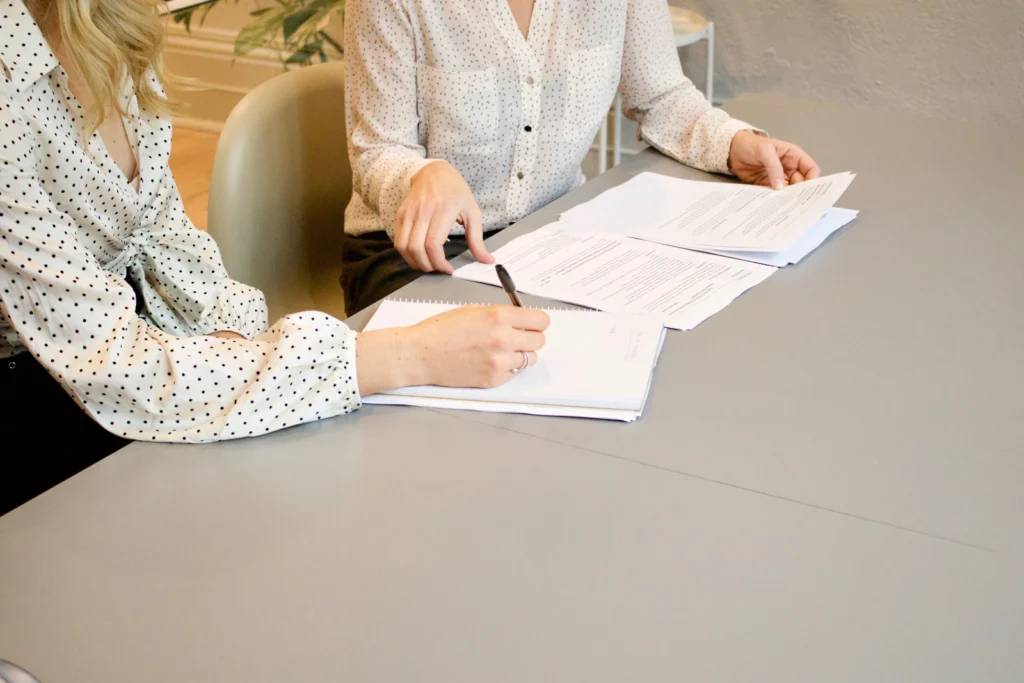
A contract of sale in NSW is a thick document, and most first home buyers never read past the front page. You do not need to read every clause yourself, but you do need these seven things checked before you sign, because once contracts are exchanged there is very little room to change your mind. Here is what we check, in order, for every home our clients buy.
1. Have the contract reviewed before you commit
In NSW the seller must prepare the contract before marketing the home, and it must include a title search, a planning certificate from the council (a section 10.7 certificate), a sewer diagram and, for strata properties, the strata documents. Your conveyancer or solicitor reads these and the special conditions, which is where sellers’ lawyers put the clauses that favour the seller: short settlement periods, penalties for late settlement, restrictions on requisitions, or “as is” clauses. A review usually costs $300 to $600 as part of your conveyancing and can be done in a day or two. Do it before you make an offer, not after.
2. Get your own building and pest inspection
A building and pest report from a licensed inspector you choose tells you about the structure, the roof, moisture, drainage, cracking and termite activity or damage. Vendor-supplied reports can be useful, but the inspector works for whoever paid them. Read the whole report, not the summary; “minor defects” can add up to a $30,000 renovation. For first home buyers we do the property checks free, including reading the report with you and telling you which findings matter and which are normal for a home of that age.
3. Order a strata report for any unit or townhouse
If the home is in a strata scheme, the strata records are more important than the paint. A strata inspection report (usually $300 to $400) shows the levies and whether they are paid, the balance of the capital works (sinking) fund, any special levies planned, building defects and insurance claims, disputes, the by-laws (pets, renovations, parking) and the minutes of recent meetings. A healthy fund and sensible minutes are a good sign; an empty fund in a 1970s block with waterproofing problems is a warning you can only read in the paperwork.
4. Check zoning, flood, bushfire, easements and what is planned nearby
The planning certificate in the contract tells you the zoning and whether the land is affected by flood planning, bushfire prone land, heritage, acid sulfate soils or road widening. The title shows easements and covenants: a sewer easement under the backyard limits what you can build; a restriction on use can prevent a granny flat. Then look outside the contract: the council’s development application tracker shows what is proposed on neighbouring sites, and the NSW planning portal shows rezoning proposals. A quiet street next to a site approved for 200 apartments is not the same purchase.
5. Match the finance to the contract
Before you sign, your lender needs to have approved the loan for this property, and the settlement period in the contract needs to work for the bank. Check the deposit required at exchange (10% is standard; 5% is often negotiable if asked before exchange), whether a deposit bond is acceptable, and what happens if settlement is delayed. If you are using the 5% Deposit Scheme, your broker must have reserved your place and the property must be within the price cap.
6. Understand cooling-off, and what it costs to use it
For a private treaty sale in NSW you normally get a five business day cooling-off period after exchange. If you withdraw in that time you forfeit 0.25% of the purchase price ($2,500 on a $1,000,000 home). There is no cooling-off at auction, or if you exchange on the day of an auction. Sellers sometimes ask buyers to waive cooling-off with a “66W certificate” from your solicitor to make an offer more attractive; only do that when your checks are complete. Cooling-off is a safety net, not a substitute for doing your due diligence first.
7. Inclusions, condition and the final inspection
The contract lists what stays with the home: dishwasher, blinds, light fittings, the shed, the air conditioner. If something you saw at the open home is not listed, it may not be there at settlement. Ask for it to be added before exchange. You are also entitled to a final inspection before settlement to confirm the home is in the same condition as when you exchanged, fair wear and tear aside. Finally, arrange building insurance to begin from exchange, even though in NSW the risk generally passes to you at settlement; your lender will want it in place and it costs little to start early.
A quick pre-exchange checklist
- Contract reviewed by my conveyancer, special conditions explained
- Building and pest report read in full (my own inspector)
- Strata report read, levies and fund balance understood (if applicable)
- Zoning, flood, bushfire, easements and nearby DAs checked
- Formal finance approval for this property; settlement period and deposit confirmed
- Cooling-off period understood (or waived knowingly)
- Inclusions listed; final inspection and insurance planned
Frequently asked questions
Can I change a contract of sale in NSW?
Yes, before exchange. Your conveyancer can request amendments such as a longer settlement, a reduced deposit or the removal of an unfair special condition. The seller does not have to agree, but many do.
What is the difference between exchange and settlement?
Exchange is when both parties sign identical contracts and the deposit is paid; it makes the sale binding (subject to any cooling-off). Settlement is when the balance is paid and ownership transfers, commonly 42 days later.
Do I need a solicitor or is a conveyancer enough?
For a standard residential purchase a licensed conveyancer is usually sufficient and cost-effective. Complex titles, company purchases or disputes are better handled by a property solicitor.
Found a home and want it checked? For first home buyers our property checks are free. Book a free 15-minute chat, or download the free Sydney First Home Buyer’s Due Diligence Checklist with the full inspection, contract and report checks.
General information only, current at November 2026, and not legal advice. Always have the contract for the property you are buying reviewed by your own conveyancer or solicitor.